
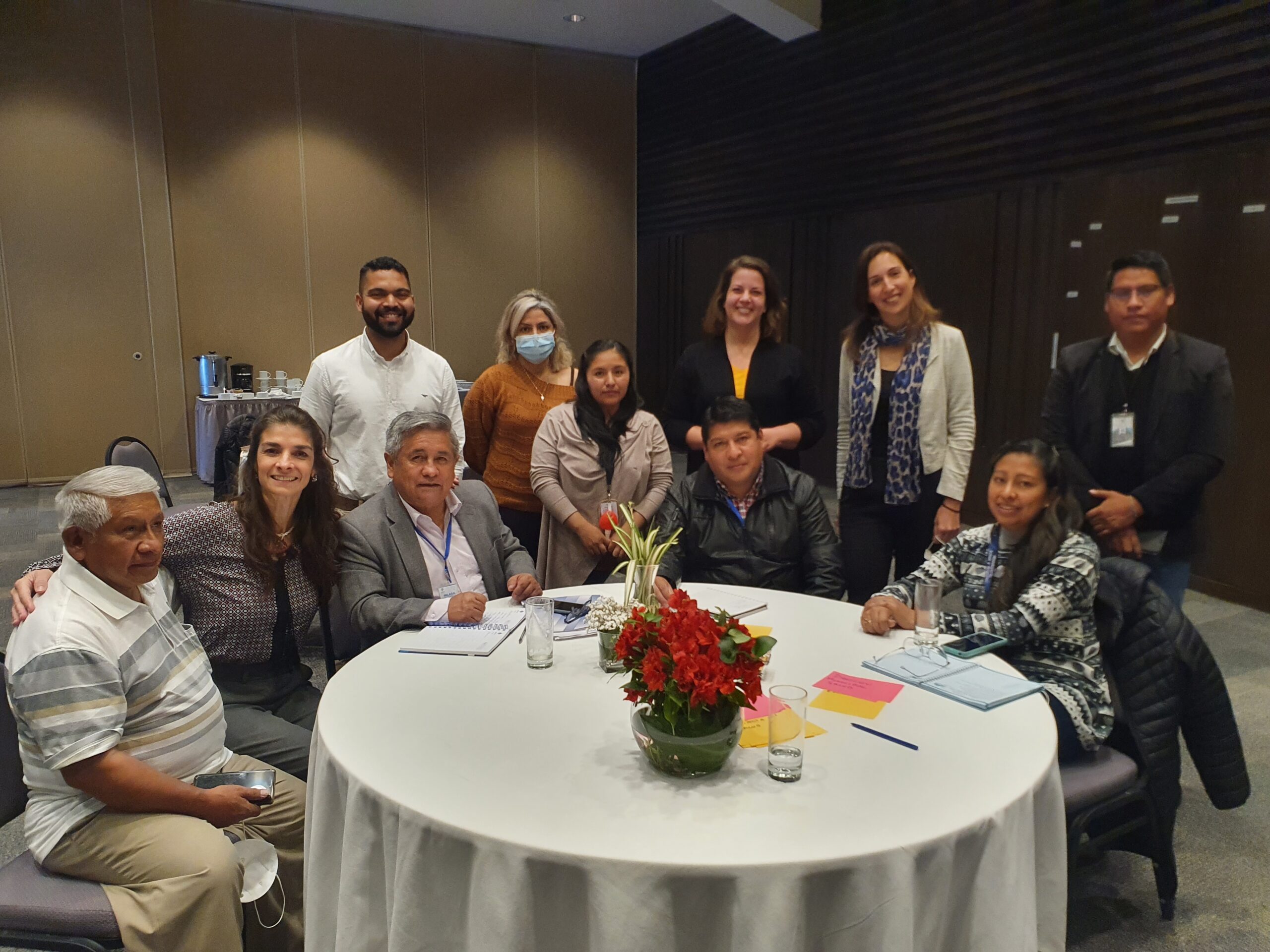
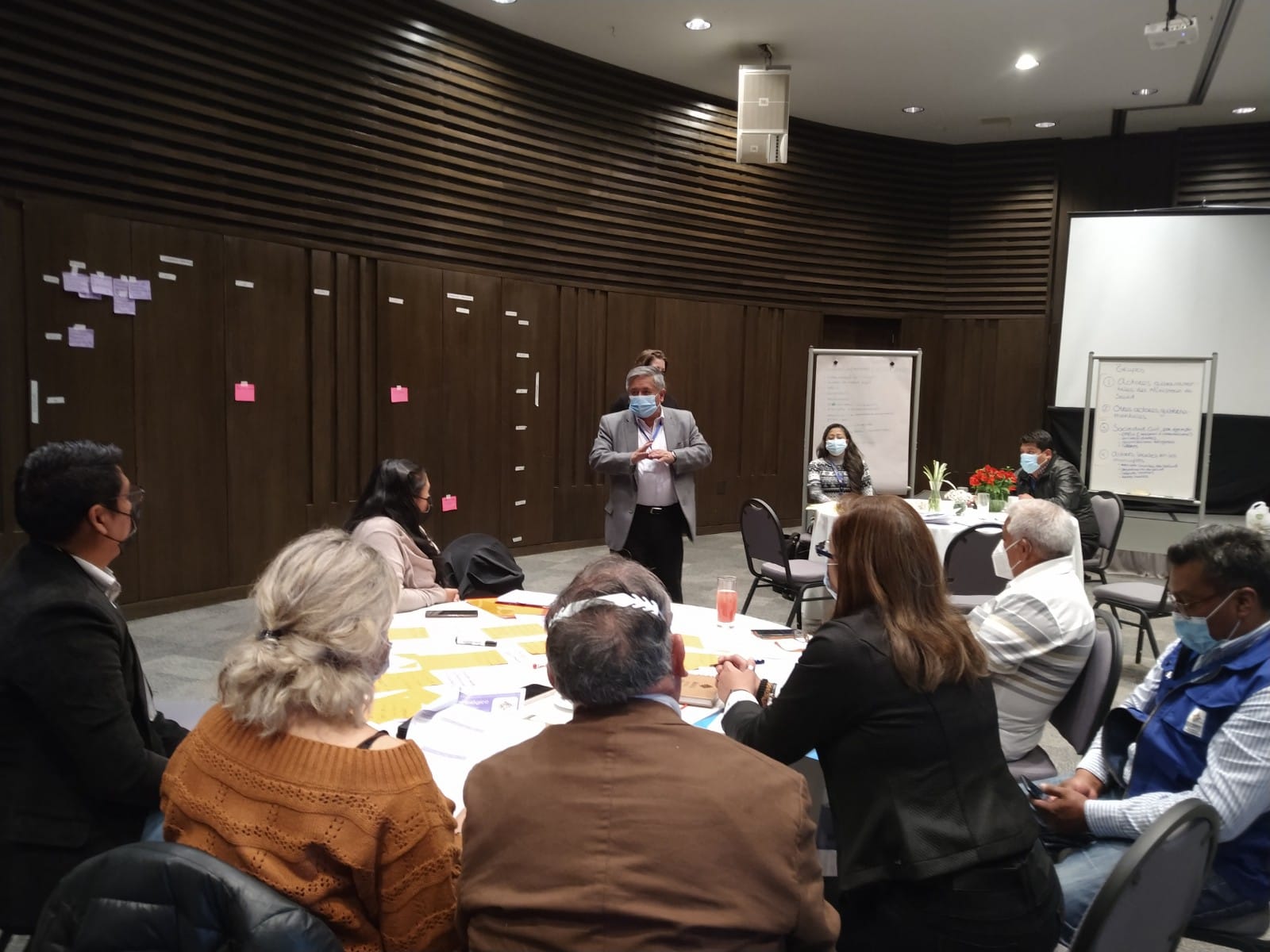
In Bolivia, the Implementation Study and the Validation Study of Rapid Diagnostic Tests (RDTs) are being developed in a complementary manner, two initiatives aimed at strengthening the comprehensive care of Chagas disease at the first level of health care and improving access to timely diagnosis, especially in rural and peri-urban populations.
The Implementation Study is carried out in nine municipalities across three departments of the country. In Santa Cruz, the municipalities of El Torno, Mairana, and Vallegrande participate; in Tarija, the municipalities of Villa Montes, San Lorenzo, and Uriondo; and in Chuquisaca, the municipalities of Yotala, Tarabuco, and Padilla. These territories were prioritized for their high infestation index and for having vectorial control certification, which ensures that diagnosed and treated people are not exposed to the vector again.
To date, 78 first-level health centers have been incorporated into the study. In addition to work at the establishments, extramural screenings are carried out in remote communities, as well as in schools, markets, and in coordination with women’s associations, expanding access to diagnosis in hard-to-reach populations. More than 400 health professionals have been trained in comprehensive care of Chagas disease and are currently carrying out detection, diagnosis, treatment, and follow-up activities, strengthening local resolution capacity.
Before initiating testing and treatment actions, a formative research phase was developed that allowed gathering both quantitative information—such as diagnostic confirmation rates, adherence to treatment, and coverage levels—and qualitative evidence through focus groups with affected people and their families, as well as in-depth interviews with health personnel and civil society representatives. These findings guided the definition of community participation strategies aimed at promoting greater involvement of the population in the project’s actions.
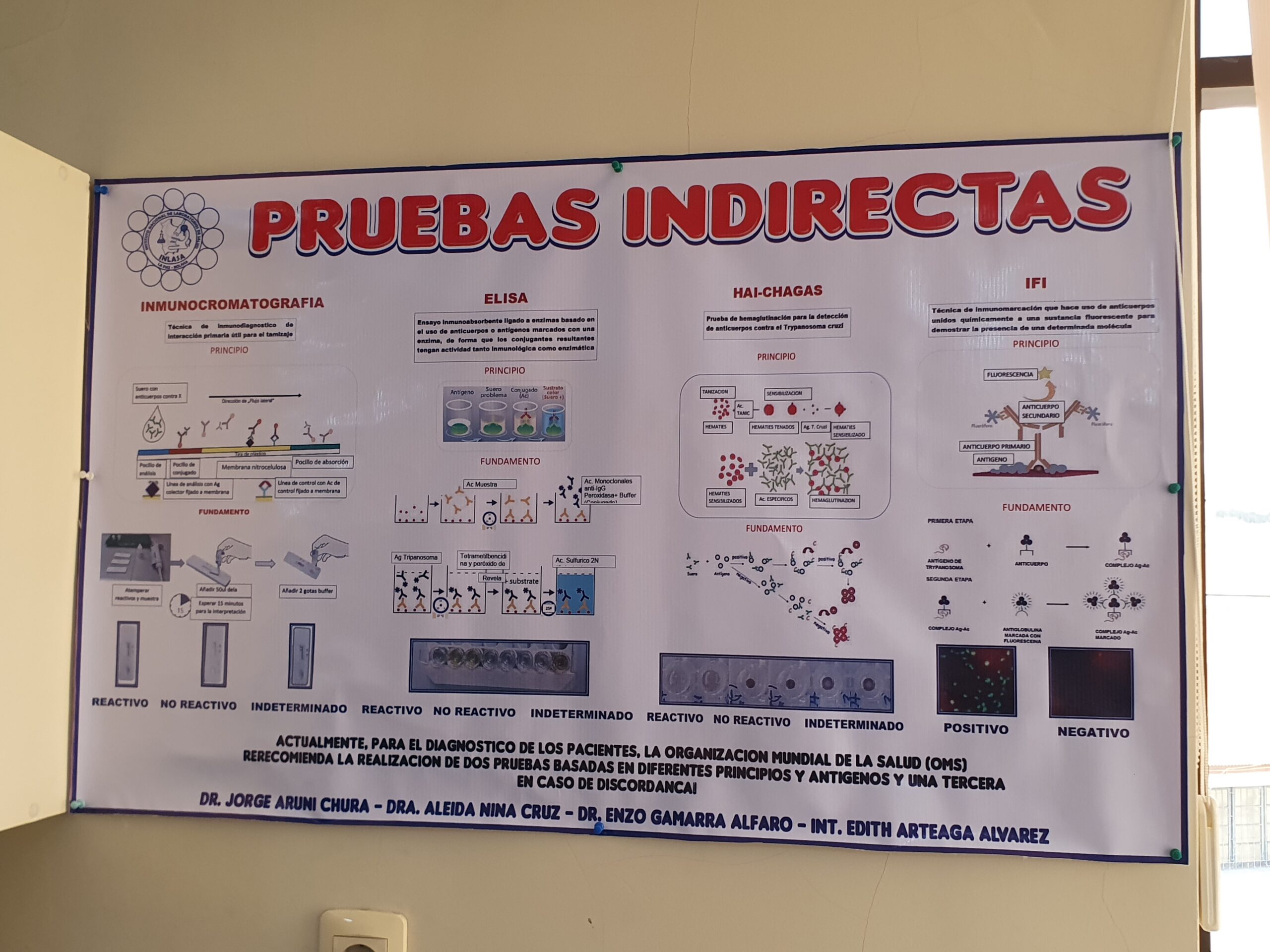
In parallel, the Validation Study of Rapid Diagnostic Tests aims to evaluate diagnostic algorithms based on RDTs as an alternative to conventional serological methods for the early detection of chronic *Trypanosoma cruzi* infection. Rapid tests represent an innovative and accessible tool with high potential for impact in contexts where access to specialized laboratories is limited.
Phase 1 of the study, already concluded, was developed in the municipality of Padilla, in Chuquisaca, with the participation of 332 people and a positivity rate of 50.4%. During this stage, no technical or logistical incidents that affected the validity of the results were registered. Likewise, a usability sub-study was carried out that showed high acceptance and ease of use of the tests by health personnel, which reinforces their viability in the primary care setting.
Phase 2 is currently underway, taking place in the hospitals of Padilla in Chuquisaca and Villa Montes in Tarija. This stage seeks to consolidate the validation of the algorithm with the best performance in different epidemiological and operational contexts, and includes training actions, laboratory strengthening, and expansion of participant recruitment.
Together, both studies provide key evidence to optimize the models for diagnosis and comprehensive care of Chagas disease in Bolivia, bringing health services closer to communities and strengthening the health system’s response from the first level of care.
Implementation Study

Validation Study

News from Bolivia





Instituto Nacional de Laboratorios de Salud (INLASA)
Pasaje Rafael Zubieta, 1889 (Lado Estado Mayor del ejército), Zona Miraflores, La Paz, Bolivia.
+591 22226670 – bolivia@cuidachagas.org