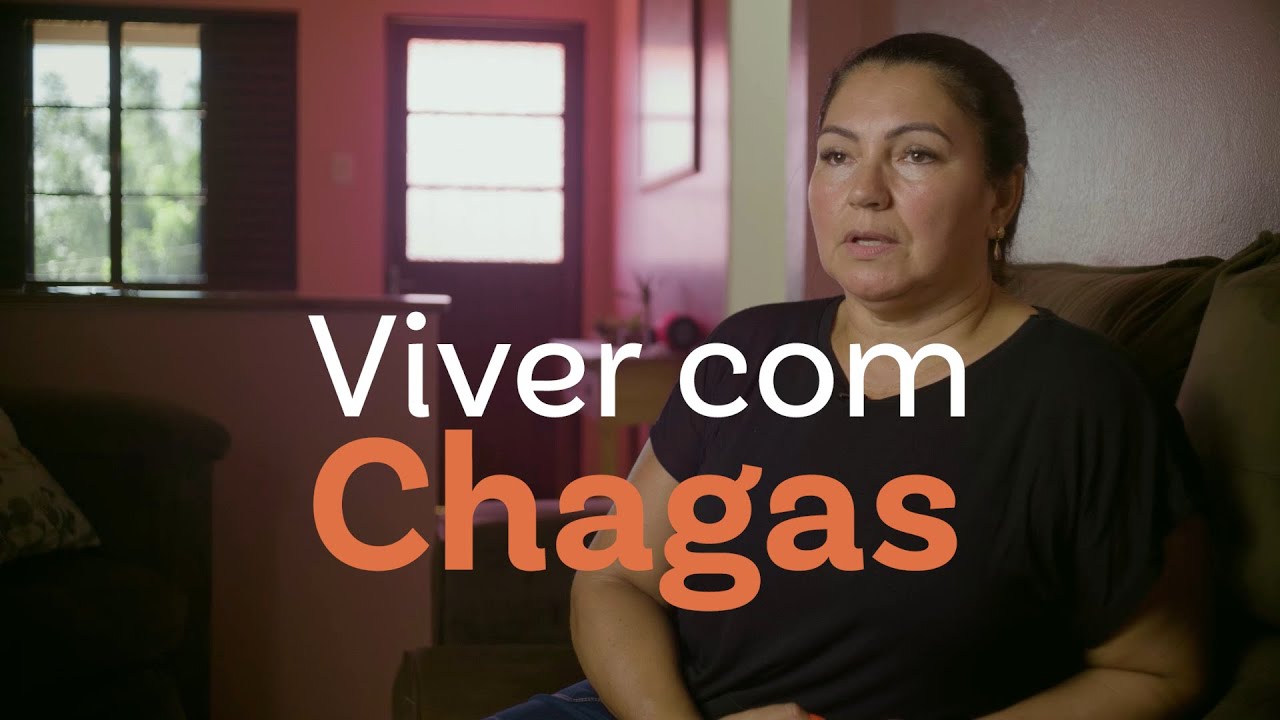
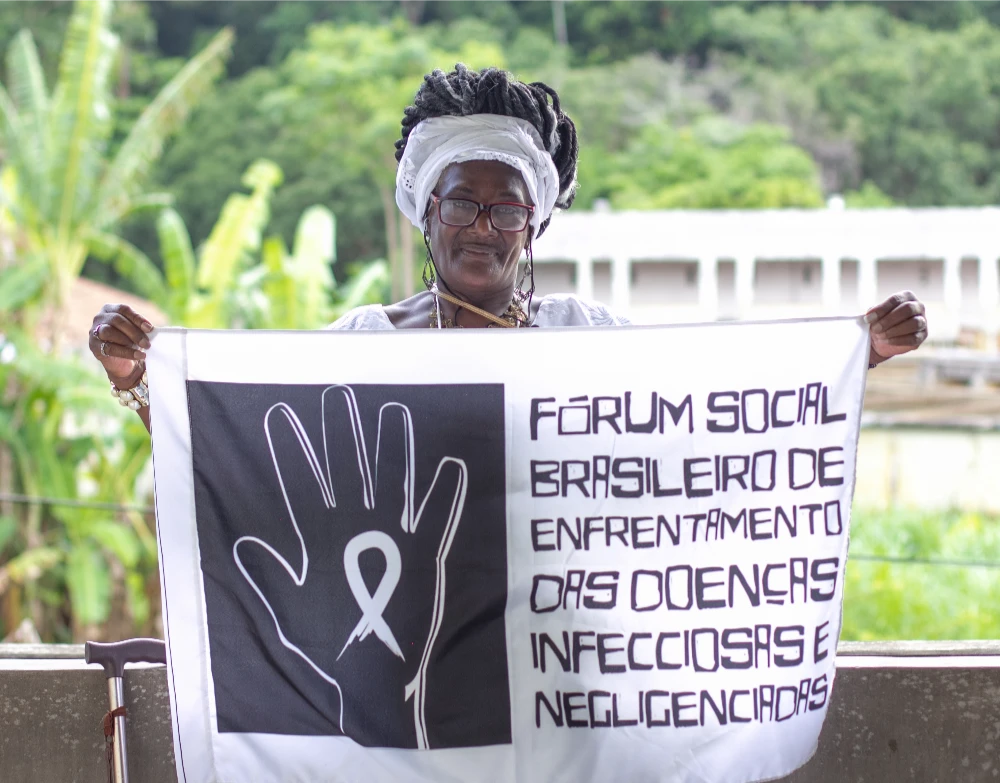
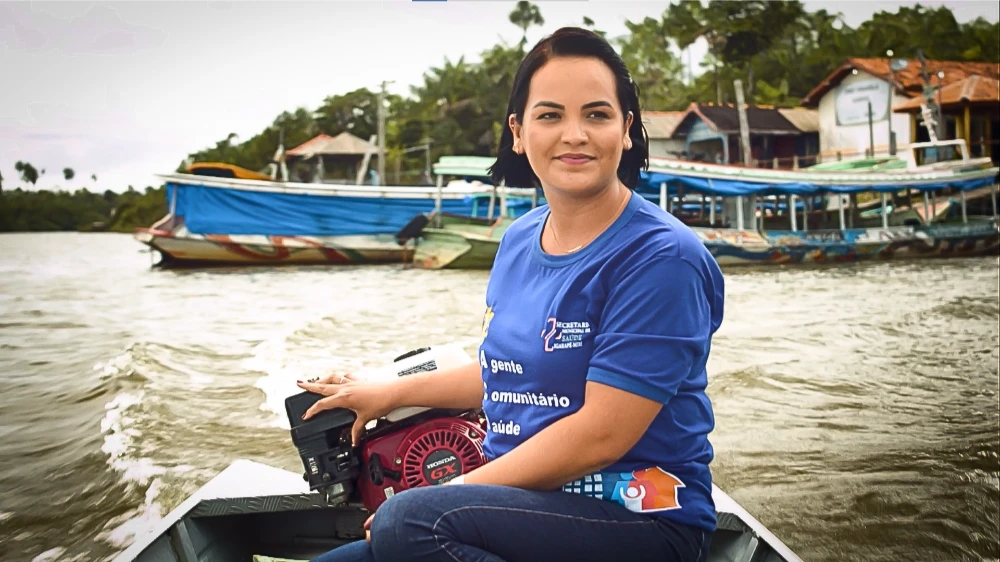
“I hope that one day we’ll know where we are and how many of us there are.”

Joanda Gomes, Pernambuco, Brasil

In Brazil, despite advances in vector control, Chagas’ disease remains a persistent public health challenge. Estimates from the Ministry of Health indicate a prevalence of 1.0% to 2.4% of the population, which equates to approximately 1.9 to 4.6 million people infected with Trypanosoma cruzi.

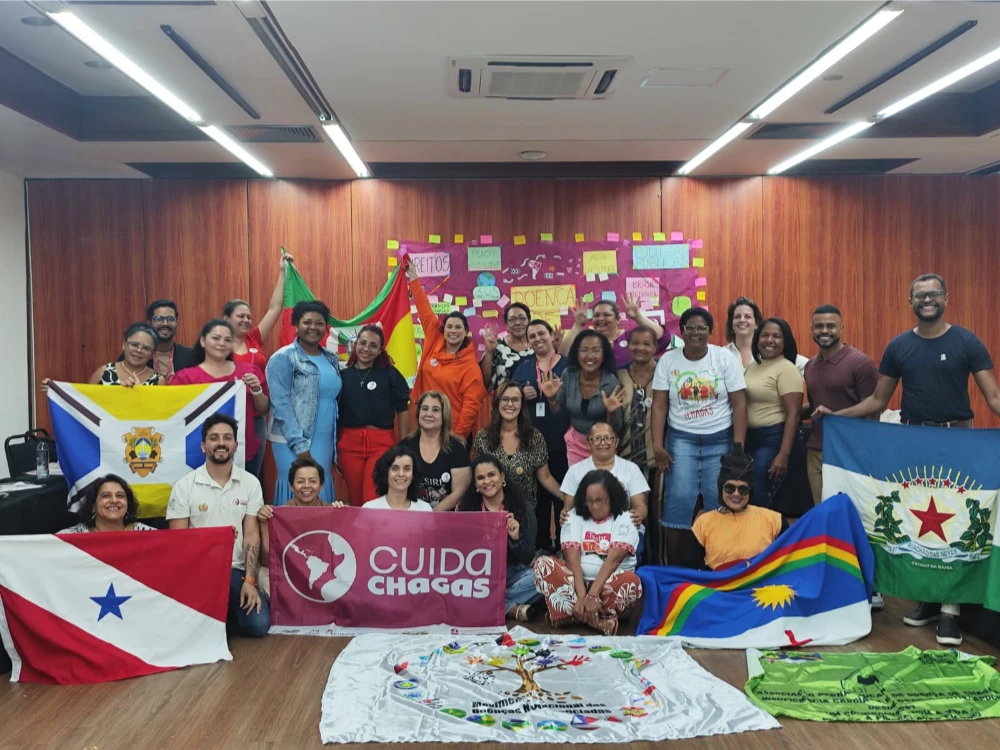
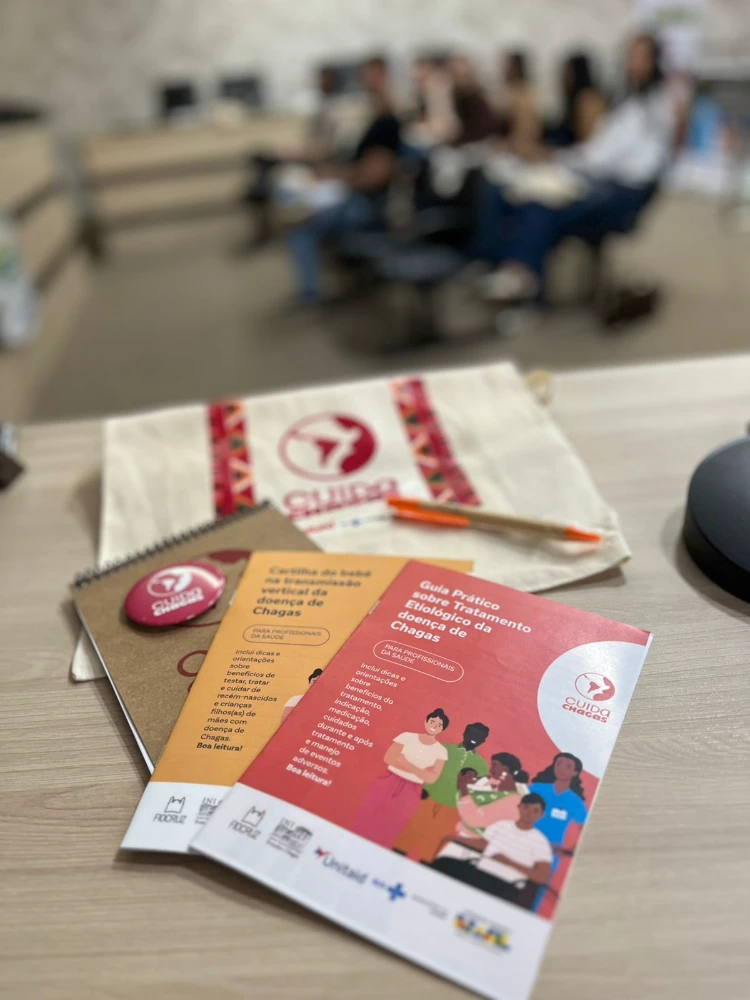
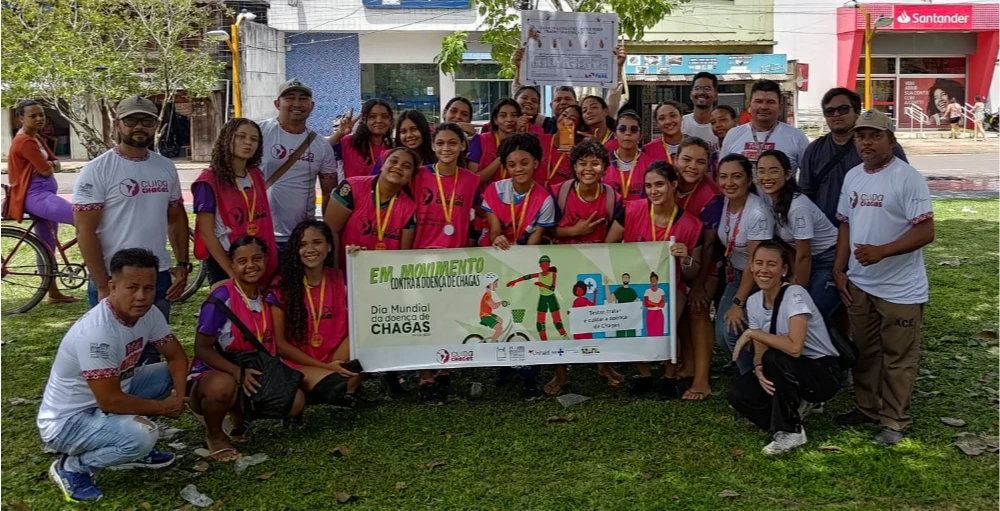
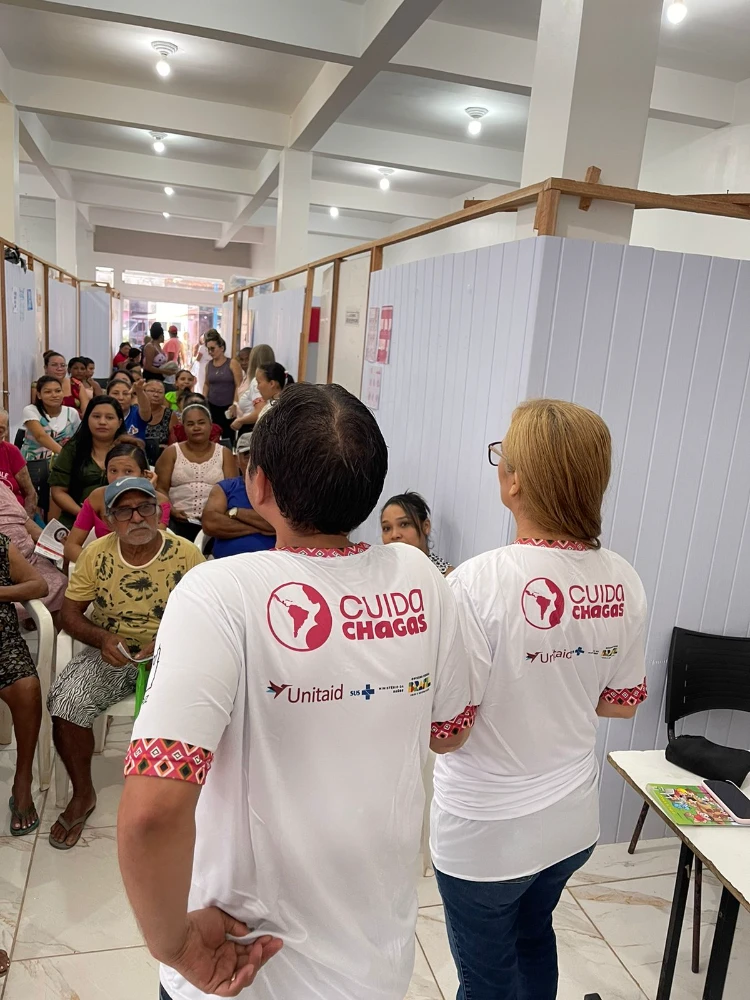
The disease continues to have a high mortality rate in the country, and acute transmission still occurs in various states, with a recent increase in the Northern region. Within the CUIDA Chagas initiative, activities in Brazil integrate diagnosis, care and community participation, linking primary care, specialist services and local partners.

Studies in Brazil
Until February 2026

+0
selected individuals
+0
screened pregnant women

“We carry out our work with the utmost dedication… our role as researchers is not an isolated one, but one committed to social change.”
Eliana Amorim, implementation study manager in Brazil..

Implementation Study
The elimination of vertical transmission and comprehensive care for Chagas’ disease depend on strengthening diagnostic, treatment and follow-up pathways within the healthcare network, particularly in primary care, in an accessible and integrated manner.

To generate evidence on the feasibility and effectiveness of diagnostic, treatment and care interventions in order to contribute to the elimination of vertical transmission of Chagas disease and to effectively promote comprehensive care for those affected and communities at risk.

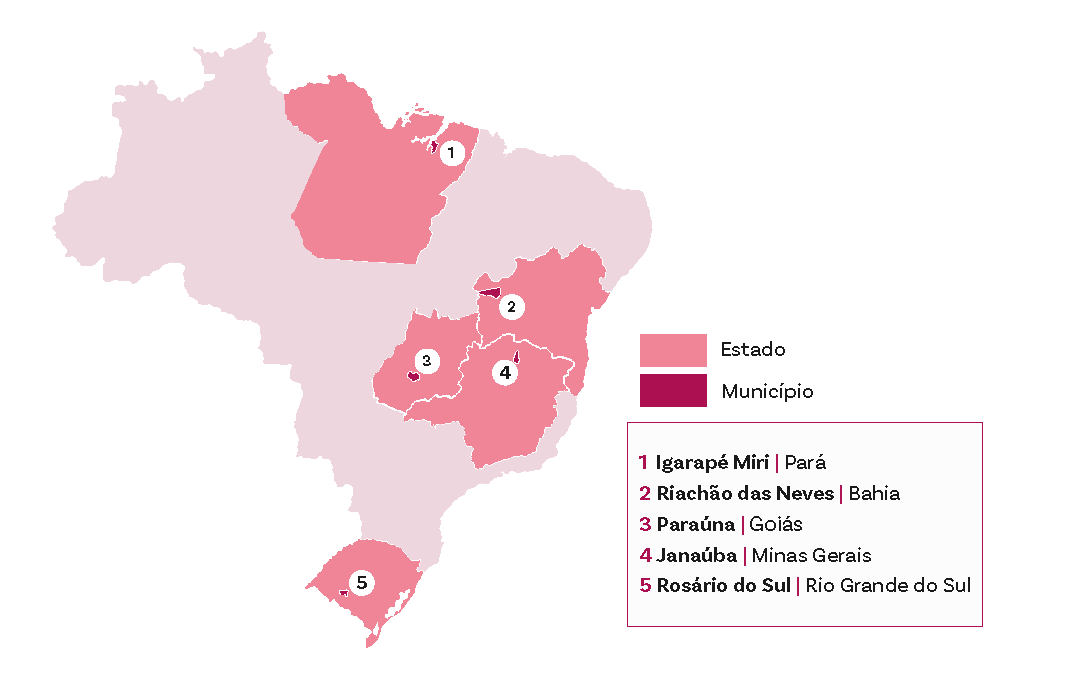
In Brazil, this study is being conducted in five municipalities, one in each macro-region, as shown on the map. Primary care is at the heart of the study, integrating the project’s interventions with existing initiatives.

Women of childbearing age, their sons and daughters, and household contacts.

Context-specific implementation approaches (rather than a one-size-fits-all model), taking into account the diversity of management models, geographical circumstances and the needs of the population.

It promotes sustainability and long-term integration within the public system, whilst ensuring flexibility for future expansion.

Implementation models that can be adapted to different contexts, integrating care for Chagas’ disease into public health systems.

Until December 2025

+0
participants

In Brazil,
phase 2 has been completed.

“Diagnostic algorithms that incorporate the use of rapid tests are essential innovations for streamlining and facilitating timely prevention and diagnosis.”
Franciana Rosa, IP of the validation study..

Validation study of a diagnostic algorithm using rapid tests
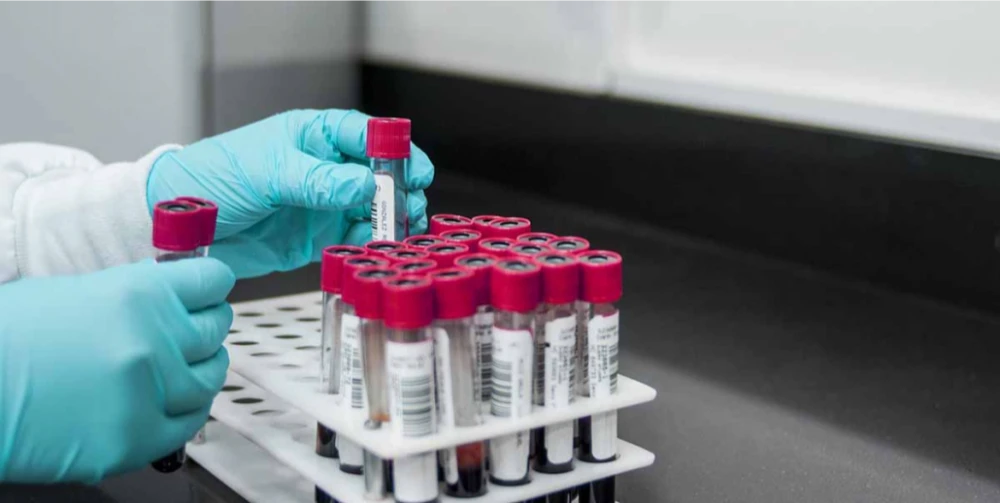
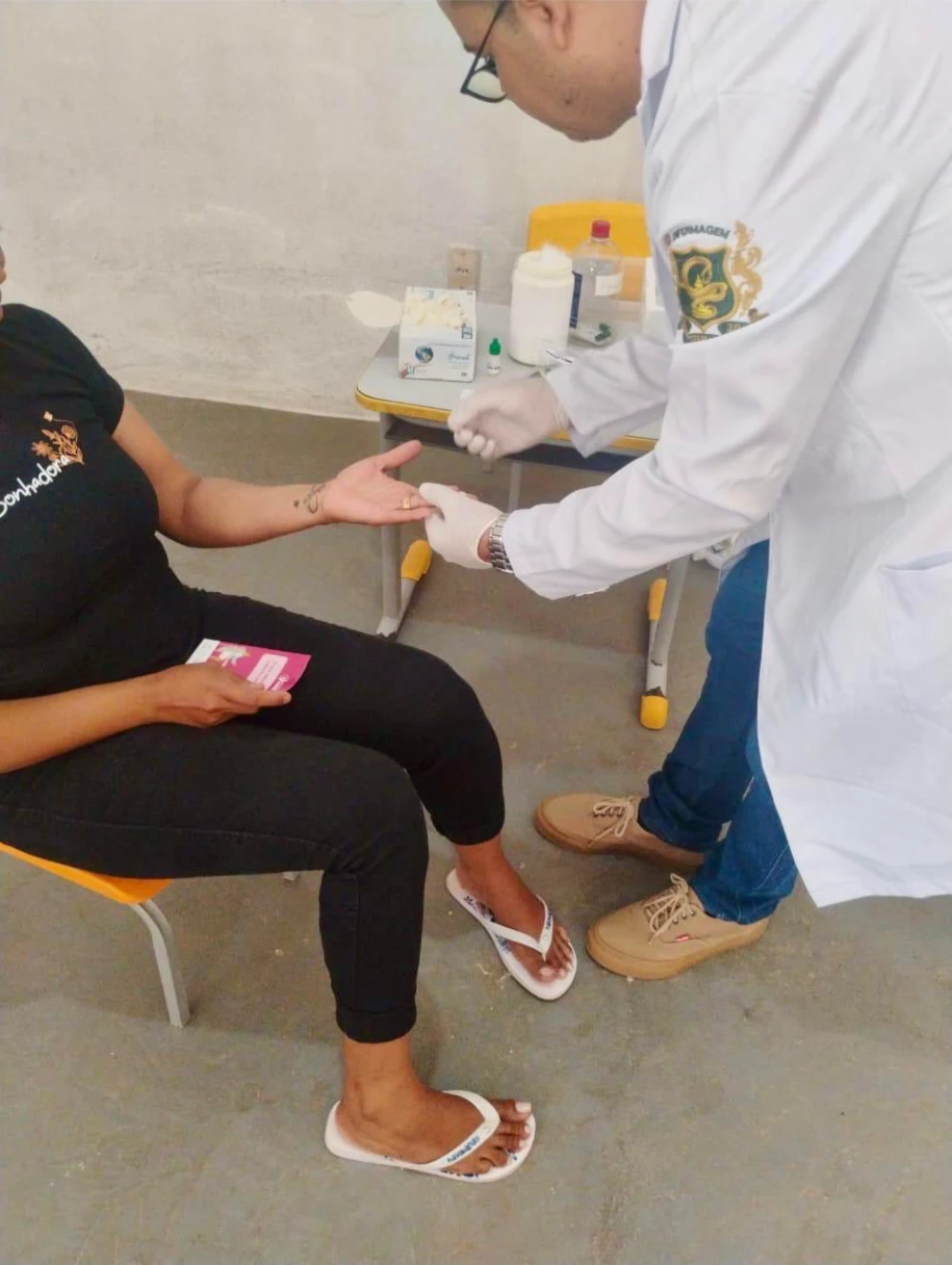
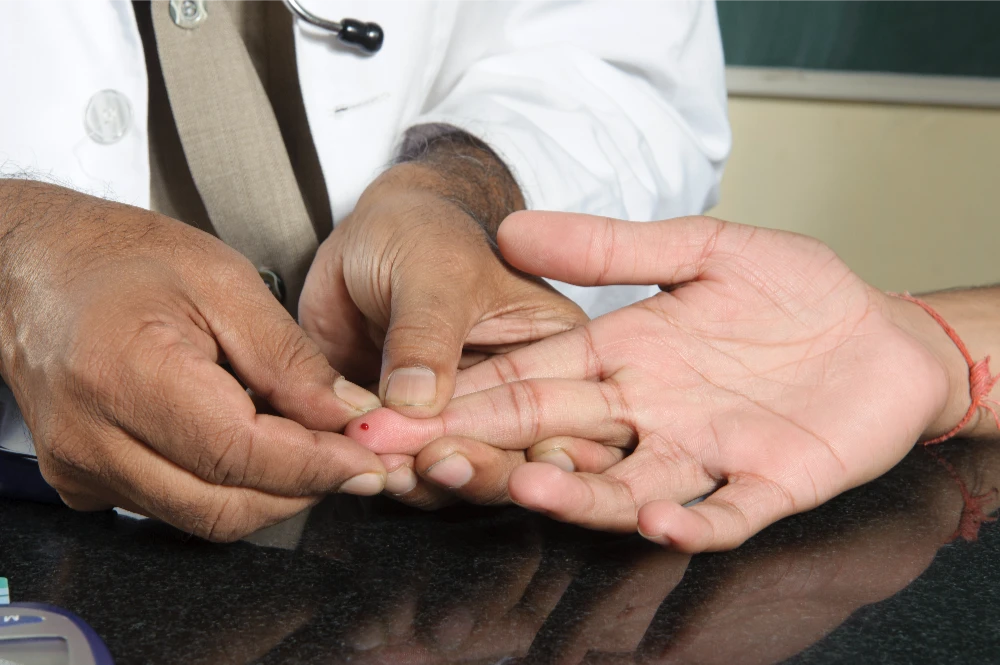
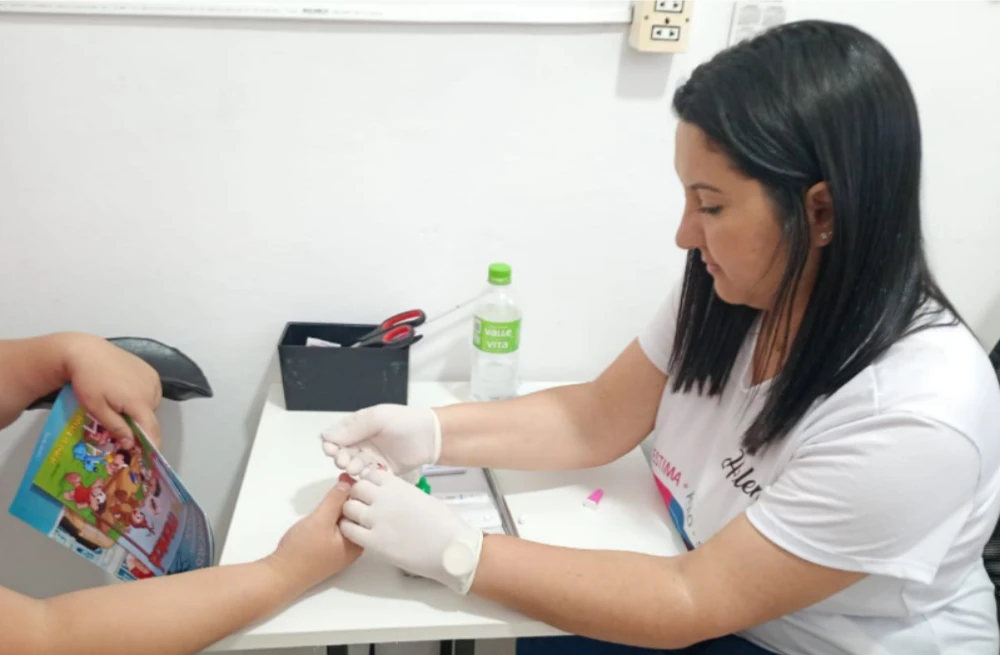
Diagnosing and treating chronic Chagas’ disease is essential for controlling the disease, preventing symptoms and reducing transmission. Access to diagnosis remains limited, as the standard procedure is complex and requires at least two laboratory tests (e.g. ELISA or IFA), carried out in specialised facilities. Rapid tests are available, but are often restricted to screening and require laboratory confirmation. Evidence suggests that algorithms using rapid tests can help confirm diagnoses and expand access in endemic and remote regions.

To identify and validate a diagnostic algorithm based on rapid tests, capable of diagnosing chronic Chagas’ disease in remote areas of endemic countries, as an alternative to current laboratory-based algorithms.

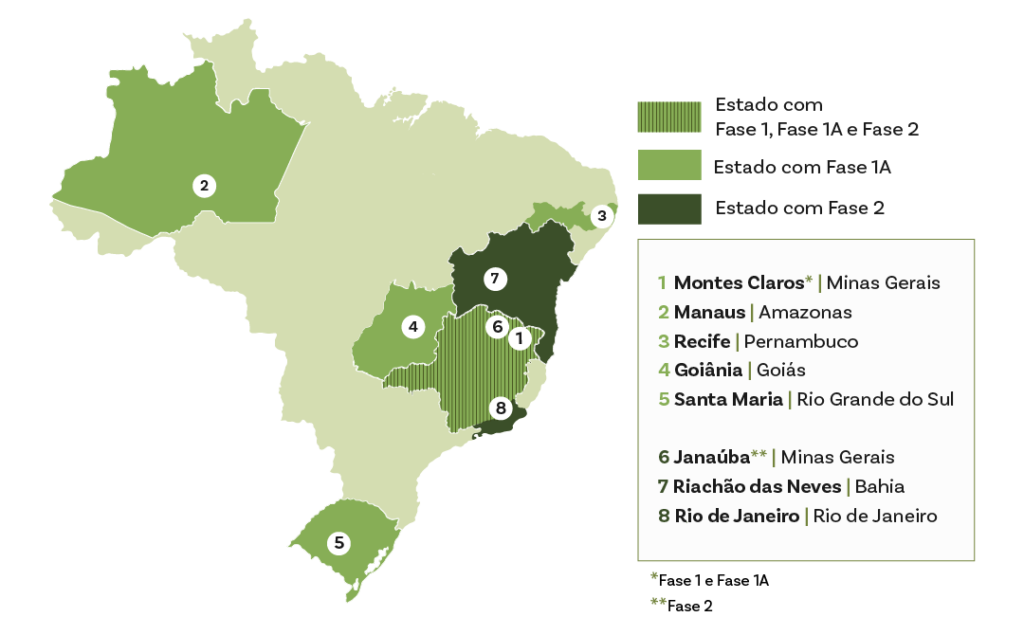
Implemented in Bolivia and Brazil. In Brazil, seven public centres located in different municipalities and states are taking part.

People affected by Chagas disease who meet the study’s inclusion criteria.

Validation of the algorithm under real-world operating conditions, with a view to reducing the number of steps and the time taken to reach a confirmed diagnosis.

It brings diagnosis closer to local communities and individuals, reducing logistical barriers and speeding up access to care.

A validated diagnostic algorithm that uses rapid tests, reducing the time needed to diagnose an affected person.

Until December 2025

0
recruited
0
completed treatments

BENBRASIL Clinical Trial

The treatment of chronic Chagas’ disease still faces persistent challenges (access, adherence, adverse events and gaps in the evidence across different regions of the country). BENBRASIL aims to generate robust evidence that takes into account Brazil’s regional diversity.

To generate scientific evidence on the effectiveness of treatment options in Brazil, thereby contributing to the improvement of national and regional treatment guidelines.

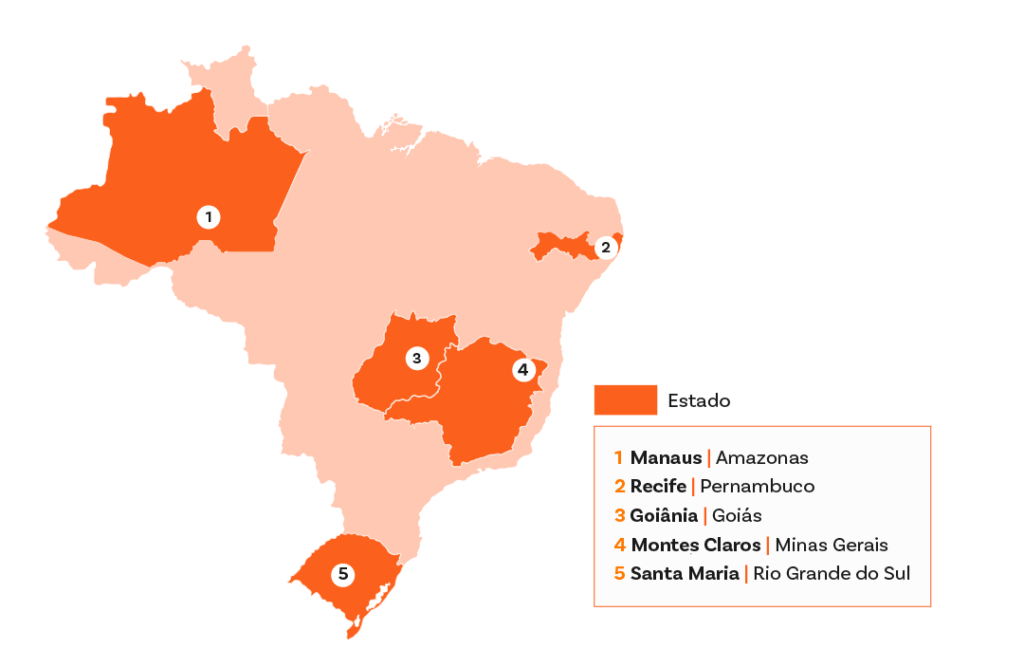
The study is being conducted at five centres in Brazil, one per macro-region, as shown on the trial map.

People with Chagas disease who meet the protocol’s inclusion criteria.

A prospective study to evaluate the efficacy, safety and pharmacokinetics of benzonidazole across the five macro-regions. It includes a phase II, randomised, double-blind, nested comparison between benzonidazole and nifurtimox, with a 12-month follow-up (schedule of 9 visits).

A national multicentre study and a comparative (nested) approach that strengthens the quality of evidence for clinical and programme-related decisions.

Scientific evidence to inform the improvement of national and regional guidelines on the treatment of chronic Chagas’ disease.

Oswaldo Cruz Foundation (Fiocruz)
4036 Avenida Brasil, Room 102 – Manguinhos – Rio de Janeiro, RJ, Brazil – Postcode: 21040-361 – info@cuidachagas.org